

There’s a moment during every holiday meal when the side dishes truly shine, and a perfectly executed dish of Brown Sugar Candied Sweet potatoes always steals the scene. Imagine tender, creamy sweet potatoes, each piece enveloped in a glossy, buttery glaze that’s rich with caramel notes from dark brown sugar and a hint of warm spice. This isn’t just a recipe; it’s a tradition in a baking dish, designed to be both spectacularly flavorful and deceptively simple to prepare.
Having made this for countless restaurant holiday menus and family dinners, I’ve refined the technique to ensure you get that ideal balance of sweet and savory with a texture that’s soft but never mushy. Let’s create a side dish that will have everyone asking for seconds.
This recipe is built on professional kitchen principles adapted for your home oven. Here’s what makes it a keeper:
- Perfect Texture: The two-stage baking method—first covered, then uncovered—ensures the potatoes steam to fork-tender perfection before the glaze reduces into a sticky, caramel-like coating.
- Complex, Balanced Flavor: We’re not just dumping sugar on potatoes. The glaze is a carefully simmered syrup with brown sugar, butter, maple, orange juice, and spices. The touch of salt and pepper is a chef’s secret to cutting the sweetness and deepening the overall taste.
- Make-Ahead Friendly: You can prepare the entire dish up to the final bake a day in advance. Simply cover and refrigerate, then add 5-10 minutes to the baking time. This is a lifesaver for holiday hosting.
- Crowd-Pleasing Versatility: It fits seamlessly on a Thanksgiving table, a Christmas buffet, or even a weeknight dinner when you need a touch of comfort. The optional marshmallow topping makes it kid-friendly, while a garnish of toasted pecans or rosemary elevates it for adults.
- Simple Ingredients: You likely have most of these pantry staples already. It’s a testament to how a few quality ingredients, treated correctly, can create something extraordinary.
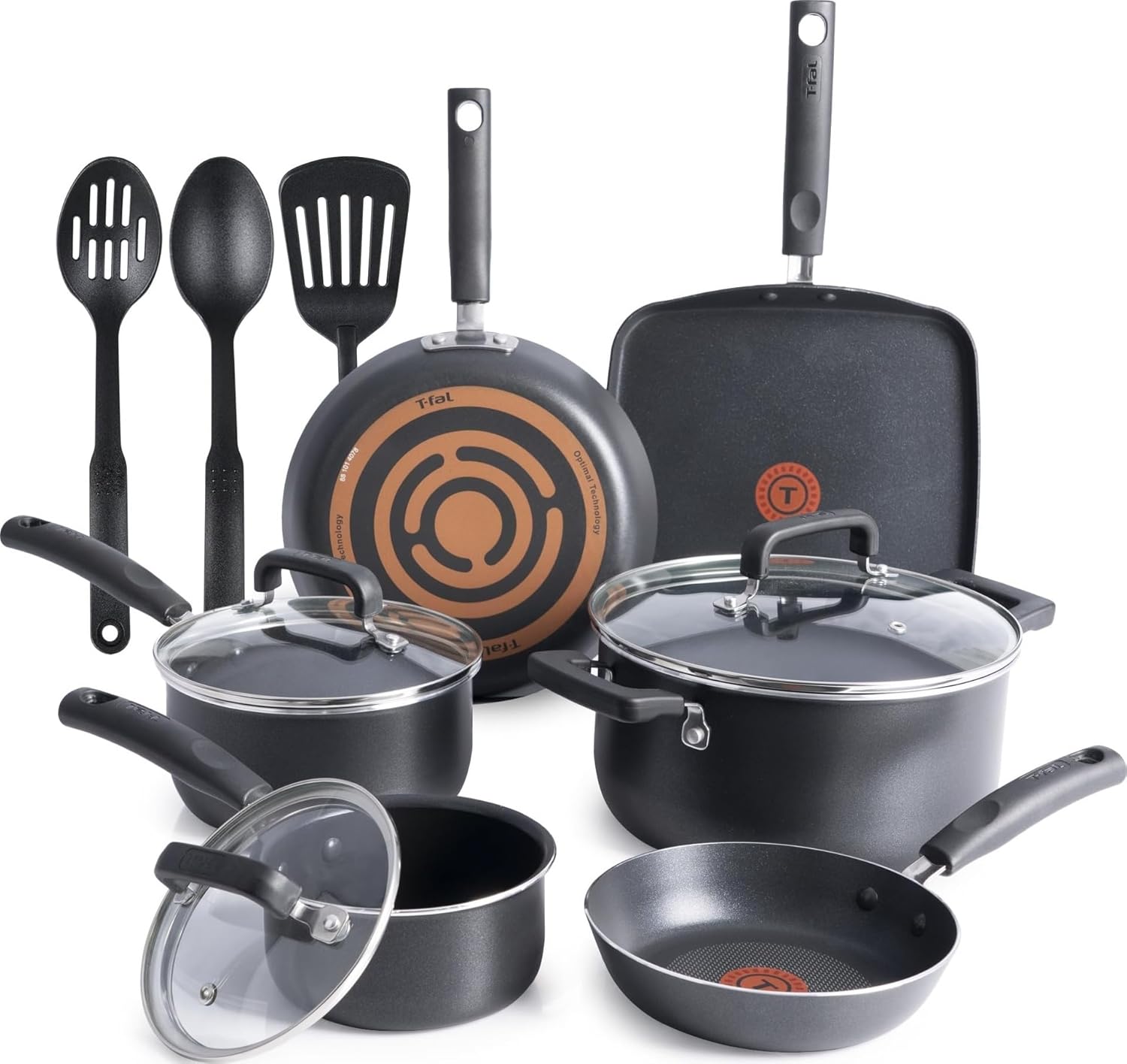
Recommended Tools for This Recipe


As an Amazon Associate, we may earn a small commission from qualifying purchases — at no extra cost to you.
Ingredients You’ll Need
- Let’s gather our ingredients—this is where simple pantry staples combine to create pure magic. The quality of your sweet potatoes matters: look for firm potatoes with smooth, deep orange skin, often labeled as Beauregard or Garnet yams. They have the moist, sweet flesh perfect for candying.
- Sweet Potatoes: The star. Peeling and cutting them into uniform 1-inch chunks is key for even cooking.
- Unsalted Butter: This gives the glaze its luxurious, rich body and flavor. Using unsalted allows you to control the seasoning.
- Dark Brown Sugar: My preference for its deeper molasses flavor, which creates a more complex caramel. Light brown sugar works perfectly too.
- Pure Maple Syrup: Adds a nuanced, woodsy sweetness that white sugar can’t provide. In a pinch, honey is a fine substitute.
- Orange Juice: This is the professional twist. The acidity brightens the intense sweetness and prevents the glaze from being one-dimensional. Freshly squeezed is ideal.
- Warm Spices & Seasoning: Cinnamon, nutmeg, vanilla, salt, and a whisper of black pepper. This combination builds layers of warmth and balance.

Note: You’ll find the complete list of ingredients, along with their exact measurements, in the printable recipe card at the bottom of this post.
Kitchen Equipment Needed
You don’t need any special equipment. A good 9×13-inch baking dish is essential—glass or ceramic works best for even heat distribution. A medium saucepan for simmering the glaze, a sharp chef’s knife and sturdy peeler for prepping the potatoes, and aluminum foil are the only other must-haves.
A basting spoon is helpful but not required. If you plan to make this ahead of time, ensure you have airtight containers or foil for covering the dish in the fridge.
How to Make Brown Sugar Candied Sweet Potatoes Recipe
Step 1: Prep and Create the Glaze
Preheat your oven to 375°F. Arranging your peeled and cubed sweet potatoes in a single layer in the baking dish is more important than it seems—it promotes even cooking and glazing. Now, for the heart of the dish: the glaze.
In your saucepan, combine all the glaze ingredients. Over medium heat, bring it to a gentle simmer, stirring constantly. You’re not trying to cook it down yet, just melt the butter and fully dissolve the sugar, which should take 3-4 minutes.
Tip from me: if you see undissolved sugar granules on the back of your spoon, keep stirring. Once smooth and fragrant, carefully pour it over the waiting potatoes.
Step 2: The Initial Steam Bake
Cover the baking dish tightly with foil. This is non-negotiable. The sealed environment traps steam, which gently and evenly cooks the dense sweet potatoes all the way through without letting the edges dry out or the sugar burn.
Place it in the center of your preheated oven and bake for 40 minutes. Trust me, the wait is worth it. You’ll know this step is working when you remove the foil and the potatoes are partially tender and swimming in a thinned, flavorful liquid.
Step 3: Baste and Concentrate the Flavor
Carefully remove the hot dish and peel back the foil, avoiding the steam. Now, take a spoon and gently baste the potatoes. Lift and turn them slightly to ensure every surface gets coated with the syrupy liquid.
This redistributes the flavors. Return the dish to the oven, uncovered, for 15-20 minutes. Now the magic happens: the liquid will reduce, bubble, and thicken into a glossy, sticky glaze that clings to each potato chunk.
The edges may just begin to caramelize.
Step 4: The Optional (But Iconic) Finish
If you’re using marshmallows, this is the fun, fast part. Scatter them evenly over the glazed potatoes. Switch your oven to broil on high.
Place the dish back in, but do not walk away! Watch it like a hawk for 1-3 minutes. The marshmallows will puff, turn golden brown, and develop those beautiful toasted spots.
Believe me, they go from perfect to burnt in a matter of seconds. The broiler also gives the glaze one final caramelizing kiss.
Step 5: Rest, Garnish, and Serve
Remove the dish from the oven. Let it rest on a cooling rack for about 10 minutes. This rest period is a small but critical professional step—it allows the intense heat to settle, the glaze to thicken slightly, and makes it safe to serve.
This is when you can add a final flourish: a sprinkle of flaky sea salt, some chopped toasted pecans, or a few fresh rosemary leaves for aroma. Step back and admire the beautiful, bubbling pan of comfort before serving it warm.
Drawing from years in professional kitchens, here are the insights that will guarantee your success:
- Uniformity is Key: Cutting your sweet potatoes into even 1-inch chunks is the single best thing you can do for perfect results. It ensures every piece finishes cooking at the same time.
- Don’t Rush the Glaze: When simmering the butter and sugar mixture, keep the heat at medium. Boiling it too vigorously can cause the butter to separate or the sugar to crystallize later. We want a smooth, emulsified syrup.
- The Power of Acidity: The orange juice isn’t just for flavor. Its acidity helps balance the overwhelming sweetness, making the dish more sophisticated and palatable. If you don’t have orange juice, a tablespoon of apple cider vinegar mixed with water can work in a pinch.
- Broiler Vigilance: If you choose the marshmallow topping, position your oven rack in the upper third, not the very top. This gives you a buffer zone and more control to achieve golden-brown without charring.
- Testing for Doneness: The sweet potatoes are done when you can easily pierce a chunk with a fork or the tip of a paring knife with no resistance. If the glaze is thickening before the potatoes are tender, add a few tablespoons of hot water to the dish and continue baking, covered.
Recipe Variations & Customizations
- One of the joys of this recipe is its adaptability. Here are several tested variations to make it your own:
- Bourbon Pecan: Add 2 tablespoons of bourbon to the glaze along with the orange juice. Sprinkle 1 cup of toasted pecan halves over the potatoes for the last 10 minutes of baking (omit marshmallows).
- Savory Herb: For a less sweet, more sophisticated take, reduce the brown sugar to 3/4 cup. Add 1 tablespoon of finely chopped fresh rosemary or thyme to the glaze. Omit the marshmallows and finish with cracked black pepper.
- Citrus Twist: Replace the orange juice with fresh grapefruit juice for a bracing, bitter-sweet note. A teaspoon of grated orange or grapefruit zest added at the end brightens everything up.
- Vegan/Dairy-Free: Substitute the butter with an equal amount of high-quality vegan butter or refined coconut oil. Use vegan marshmallows if topping.
- Slow Cooker Method: Combine all ingredients (except marshmallows) in a 6-quart slow cooker. Cook on LOW for 5-6 hours or HIGH for 3-4 hours, until tender. Transfer to a baking dish for the marshmallow broiling step if desired.
- Spiced Apple: Add 2 peeled, diced apples (like Granny Smith) to the baking dish with the potatoes. Increase the cinnamon to 1 1/2 teaspoons and add 1/4 teaspoon of ground allspice.
What to Serve With This Recipe
These candied sweet potatoes are the quintessential holiday side dish. They pair beautifully with the rich, savory flavors of a roast turkey or glazed ham, where their sweetness provides a perfect counterpoint. For a full holiday spread, serve them alongside garlic mashed potatoes, green bean casserole, and a bright cranberry sauce.
For a simpler family dinner, they are fantastic with pan-seared pork chops or roasted chicken. Beverage-wise, the sweetness calls for something with acidity or bubbles: try a dry hard cider, a Pinot Noir, or even sparkling water with lemon. They are best served warm, straight from the baking dish.
Storage & Make-Ahead Instructions
- Storage: Allow leftovers to cool completely, then transfer to an airtight container. They will keep in the refrigerator for up to 4 days.
- Reheating: The best way to recapture the magic is in the oven. Preheat to 350°F, place the potatoes in an oven-safe dish, cover with foil, and heat for 15-20 minutes until warmed through. You can add a tiny splash of orange juice or water if the glaze seems too thick. Microwaving is quick but can make the potatoes rubbery.
- Make-Ahead: You can fully assemble the dish 24 hours in advance. After pouring the glaze over the raw potatoes in the baking dish, cover tightly with plastic wrap and refrigerate. When ready to bake, let it sit on the counter for 30 minutes, then bake as directed, adding 5-10 minutes to the covered baking time since you’re starting from cold.
- Freezing: I don’t recommend freezing the finished dish, as the texture of the sweet potatoes becomes watery and grainy upon thawing.
Frequently Asked Questions
Q: Can I use canned sweet potatoes or yams?
A: I don’t recommend it for this recipe. Canned potatoes are already cooked and very soft, so they will likely turn to mush during the baking process. The fresh potatoes provide the necessary structure to hold their shape and absorb the glaze.
Q: My glaze is too thin/watery after baking. What happened?
A: This usually means the potatoes released more water than expected. Simply use a slotted spoon to transfer the potatoes to a serving bowl. Pour the thin glaze back into a saucepan and simmer on the stove for 5-7 minutes until it reduces and thickens.
Pour it back over the potatoes.
Q: Can I make this without the marshmallows?
A: Absolutely! The dish is complete and delicious without them. The marshmallows are a traditional, fun topping but not required for the core glazed sweet potato experience.
Q: Is there a way to make this less sweet?
A: Yes. Reduce the brown sugar to 3/4 cup and consider using only maple syrup (omit extra sugar). The orange juice and pepper already help balance sweetness.
The savory herb variation above is also a great option.
Q: How do I prevent the sugar from burning?
A: The covered baking step is your primary defense. Also, ensure your oven is calibrated correctly—an oven that runs hot can cause burning. Using a glass or ceramic dish (instead of metal) also provides more gentle, even heat.
Q: Can I double this recipe for a large crowd?
A: Yes, but bake it in two separate 9×13 dishes. Crowding one very large pan will steam the potatoes instead of allowing the glaze to reduce properly, leading to a soggy result.
Q: What’s the difference between sweet potatoes and yams for this recipe?
A: In most American supermarkets, the moist, orange-fleshed vegetables labeled “yams” are actually a variety of sweet potato (like Beauregard). Either will work perfectly. True yams (common in African and Caribbean cuisines) are starchier and less sweet, and are not ideal for this specific candied preparation.
Final Thoughts
This recipe for Brown Sugar Candied Sweet Potatoes is more than just a list of ingredients and steps—it’s a reliable path to creating a side dish that feels both celebratory and comforting. By understanding the why behind the techniques, like steaming before glazing, you’re equipped to achieve perfect results every time, whether it’s for a holiday centerpiece or a cozy Sunday supper. The balance of sweet, savory, and spicy, along with that irresistible glossy texture, is what makes this version stand out.
I’ve served this to everyone from restaurant critics to picky toddlers, and it never fails to delight.
So, gather your simple ingredients, take your time with the glaze, and get ready for the compliments to roll in. Don’t forget to let the dish rest before serving—it makes all the difference. I’d love to hear how it turns out for you!
Share your creations online and tag me, or leave a comment below with your own twists. Happy cooking, and enjoy every delicious, caramelized bite

Brown Sugar Candied Sweet Potatoes
- Author: Amelia
- Prep Time: 20 minutes
- Cook Time: 1 hour
- Total Time: 1 hour 20 minutes
- Yield: 8 servings
- Category: Side Dish
- Cuisine: American
Description
Sweet potatoes are baked in a rich, buttery brown sugar glaze until tender and caramelized, then finished with toasted marshmallows for a classic holiday side dish that's both simple and spectacular.
Ingredients
Instructions
-
Preheat your oven to 375°F (190°C). Arrange the peeled and cubed sweet potatoes in a single layer in a 9x13-inch baking dish. In a medium saucepan over medium heat, combine the butter, brown sugar, maple syrup, orange juice, vanilla, cinnamon, nutmeg, salt, and pepper. Bring to a gentle simmer, stirring constantly until the butter is melted and the sugar is completely dissolved, about 3-4 minutes. Pour this hot syrup evenly over the sweet potatoes.
-
Cover the baking dish tightly with aluminum foil. Place it in the preheated oven and bake for 40 minutes. The foil creates a steamy environment that gently cooks the potatoes through without drying them out. Trust me, this step is crucial for achieving that melt-in-your-mouth texture.
-
Carefully remove the dish from the oven. Take off the foil—be mindful of the steam. Using a spoon or spatula, gently baste the potatoes with the syrupy liquid that has pooled in the dish. This redistributes the glaze and ensures every piece gets coated. Return the dish to the oven, uncovered, for another 15-20 minutes.
-
Now, check for doneness. The sweet potatoes should be fork-tender and the sauce should have thickened into a glossy, bubbling glaze. If you're adding marshmallows, now's the fun part. Sprinkle them evenly over the top. Switch your oven to broil on high and place the dish back in, watching closely for 1-3 minutes until the marshmallows are golden brown and toasted. Believe me, they can burn in seconds, so don't walk away!
-
Remove the dish from the oven and let it rest for 10 minutes. This allows the glaze to thicken slightly and cool to a safe serving temperature. Garnish with a sprinkle of extra cinnamon or chopped pecans if desired. Step back and admire your beautiful creation before serving it warm.
Notes
- Chef's Tips:
- For a smoother sauce, you can whisk a tablespoon of cornstarch into the cold orange juice before adding it to the saucepan.
- Avoid overcooking the sweet potatoes before adding the glaze, or they may become mushy.
- Serve directly from the baking dish for a beautiful, rustic presentation.
- Food Safety:
- Allow dish to cool to room temperature before refrigerating to prevent condensation.
- Store leftovers in a covered container in the refrigerator and consume within 4 days.


